Sunny Lab explains how Ghibli, Persona 5 and Treasure Planet shaped a bakery adventure about friendship, burnout and emotional healing.
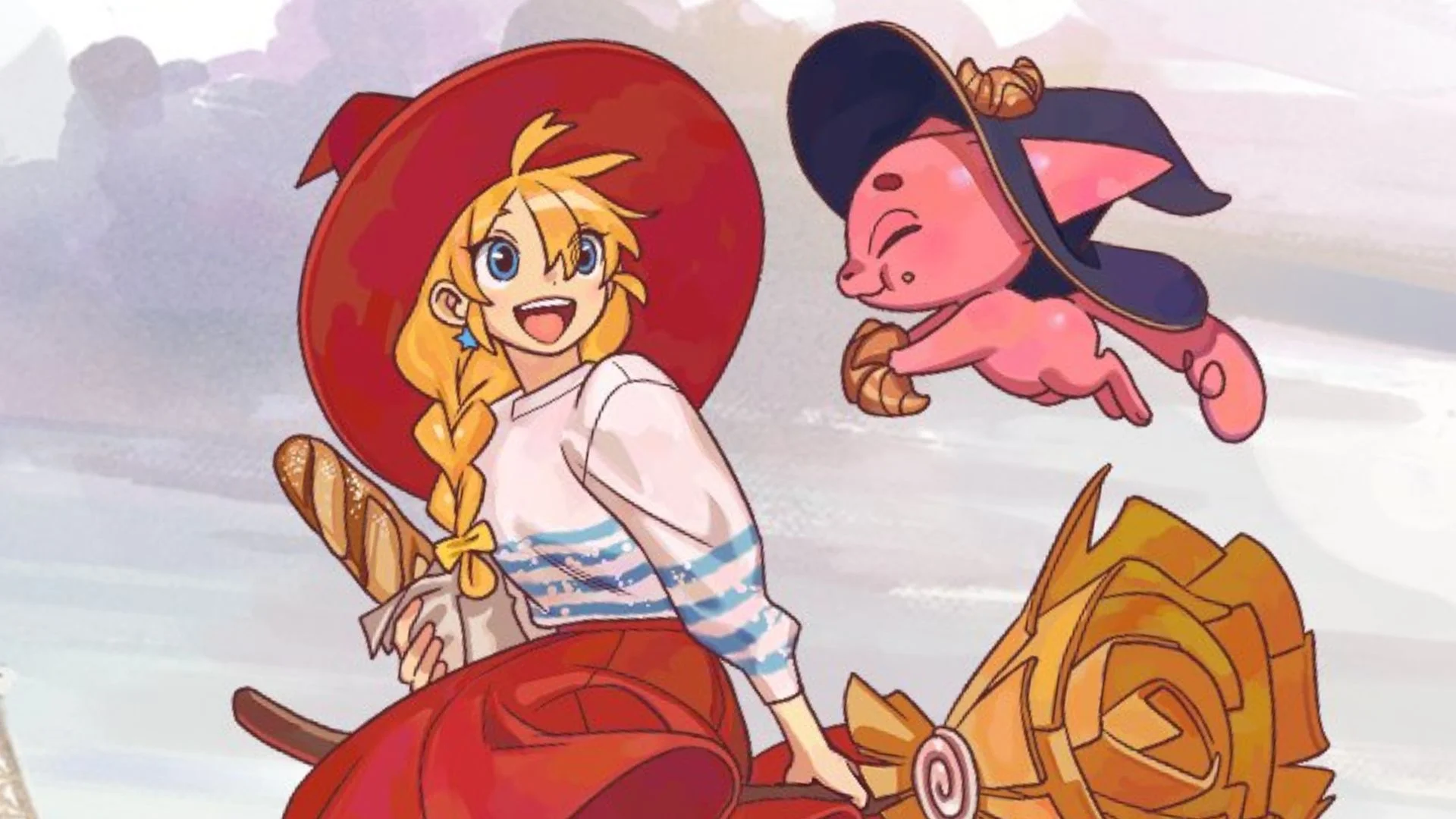
The Witch’s Bakery uses baking as an entry point to harder subjects: burnout, grief and the emotions people keep hidden. Sunny Lab’s Charlotte Gailledreau, the game’s co-founder and creative director, describes a cozy narrative adventure where pastries, everyday routines and magical creatures help make those themes approachable.
The studio’s design draws on several distinct influences. Kiki’s Delivery Service helped shape its picture of a young witch finding a place in society; Persona 5 informed the mix of ordinary life and supernatural spaces; and a friendship built around Treasure Planet led to a tribute in the form of Lunne’s floating companion, Orio. Those references meet in a game grounded in Parisian imagery and the idea that emotional struggles can take visible form.
A witch with a place in everyday life
Gailledreau says Kiki’s Delivery Service first appealed to Sunny Lab for its look and atmosphere. The team then found more to draw from in its story, particularly Kiki’s effort to put her abilities to work for other people and figure out where she belongs. The film’s themes of growing up and burnout also connect to subjects the game explores.
That influence shaped the studio’s approach to witches. They’re extraordinary, Gailledreau says, but not supernatural in the usual sense. She compares them to astronauts: people with unusual abilities who still have to live alongside everyone else. That framing lets the game consider how magic fits into modern society and how a witch might use her skills to help people without them.
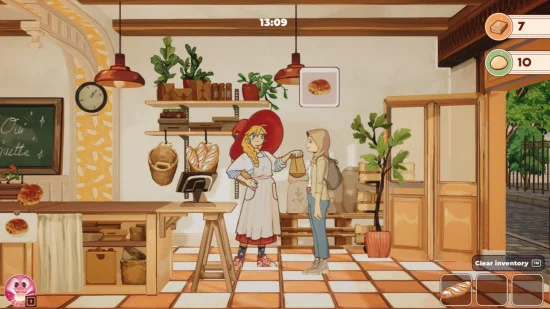
The result is a setting where a bakery can be both a workplace and a meeting point between the magical and the mundane. The studio wants players to feel at home in that world, with the strange becoming part of the daily routine. Gailledreau says Persona 5 offered a useful model for this balance. Sunny Lab admired how the series brings its characters’ extraordinary lives together with familiar, slice-of-life moments.
Heart Palaces turn emotion into a place
Persona 5 also offers a more direct reference in the game’s companions and Heart Palaces. But Sunny Lab’s interest goes beyond similarities to the RPG’s characters and settings. The studio was drawn to the contrast between supernatural events and the ordinary moments around them, using that contrast to make the fantasy feel lived in.
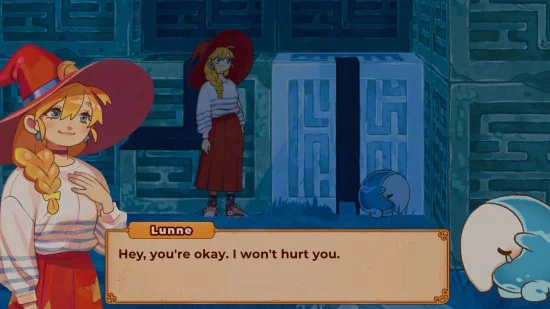
The Heart Palaces give the game a way to make inner struggles part of its world. They connect with a broader system built around beings called Regrets: gentle creatures from the Aside, a magical realm linked to our own. Regrets feed on emotions people release when they refuse to express them. They can delay an emotional breakdown, but they can’t stop one from happening.
For Lunne and the player, a Regret offers a visible clue that someone is holding something back. Smaller creatures add variety to places such as the bakery, while others accompany individual characters. When a Regret changes size or shape, it signals that the person it follows is carrying a heavier emotional burden. The larger beings tied to central characters in each chapter reflect the weight of what those characters have suppressed.
The creatures that represent specific emotions have their own visual language. Sunny Lab connected sadness with blue and water, then worked through many design iterations to settle on long-nosed figures with masks. Gailledreau was especially interested in the idea of a mask forming around a repressed emotion: something hidden inside becoming physically present. The designs also help players distinguish emotion creatures from the other beings in the Heart Palaces.
Cozy play, serious subjects
Sunny Lab considers The Witch’s Bakery a cozy game, even with its focus on emotional pain. Gailledreau says the team wanted to address mental health, burnout, loss and the place of emotion in society while leaving room for humor, friendship and small moments of happiness. The gentle tone, she says, lets the game handle difficult subjects without treating them as trivial.
That approach also informs the gameplay. Sunny Lab wanted the mechanics to remain simple and approachable, supporting the story rather than asking players to overcome demanding challenges. The studio’s aim is a narrative adventure that can offer hope and imagine a better world while still making room for the weight of what its characters face.
The contrast between comfort and difficulty is central to the game’s premise. Baking provides a warm, tactile setting; the Heart Palaces and Regrets reveal what people are struggling to say. Pastries don’t erase those problems. Instead, the game uses the bakery as a place from which Lunne can connect with people and help them confront what they’ve been keeping inside.
A croissant hat and a shape-shifting tribute
Concept artist Gary Vanaka developed Lunne’s design, including her distinctive croissant-shaped hat. Gailledreau says the team discussed whether to keep a pointed witch’s hat, given that it’s a Western image and the game’s witches can come from anywhere. They chose to retain it because it makes the fantasy easy to recognize and fits the game’s specific combination of Paris, baguettes and witches.
Orio, Lunne’s floating companion, comes from a different kind of personal reference. Gailledreau and narrative director and co-founder Hugo Sahuquet are fans of Disney’s Treasure Planet, which they see as underrated. The movie was the subject of their first real conversation and helped bring them together before they founded Sunny Lab.
Orio is a Morph, a creature that can take any shape. In its natural state, it resembles Morph from Treasure Planet; taking another form is like getting dressed. Gailledreau jokes that Orio probably wouldn’t identify as a cat, despite the pink, catlike appearance familiar from the game.
Cookbook rewards and the team’s pastry picks
Sunny Lab has also promised physical and digital rewards through its Kickstarter campaign: a cookbook, an artbook, a soundtrack, postcards and stickers. Gailledreau said those rewards were in production, with backers expected to receive them before the end of the year. If players respond to the game and its world, the team hopes to offer the items more widely and possibly make an Orio plush or other collectibles.
Asked about favorite pastries, the team offered a distinctly varied menu. Gailledreau picked chocolatine; Sahuquet chose chausson aux pommes. Other selections included kouign-amann, pastel de nata, pain aux raisins, pain suisse, canelé and a bacon-and-cheese fougasse. The bakery’s interest in food isn’t just a visual hook: it gives the game a concrete, welcoming center for its stories about people and their feelings.
The Witch’s Bakery is out on Nintendo Switch and Switch 2, and is verified for Steam Deck. Its strongest identity appears to come from the way it joins familiar comforts with emotional fantasy: a bakery to return to, a companion with a personal history, and magical creatures that make hidden feelings harder to ignore.

Discussion
Sign in to join the discussion.