Reported costs put Xbox’s next console as high as $1,800, raising questions about whether PS6 and Helix can keep next-gen hardware within reach.
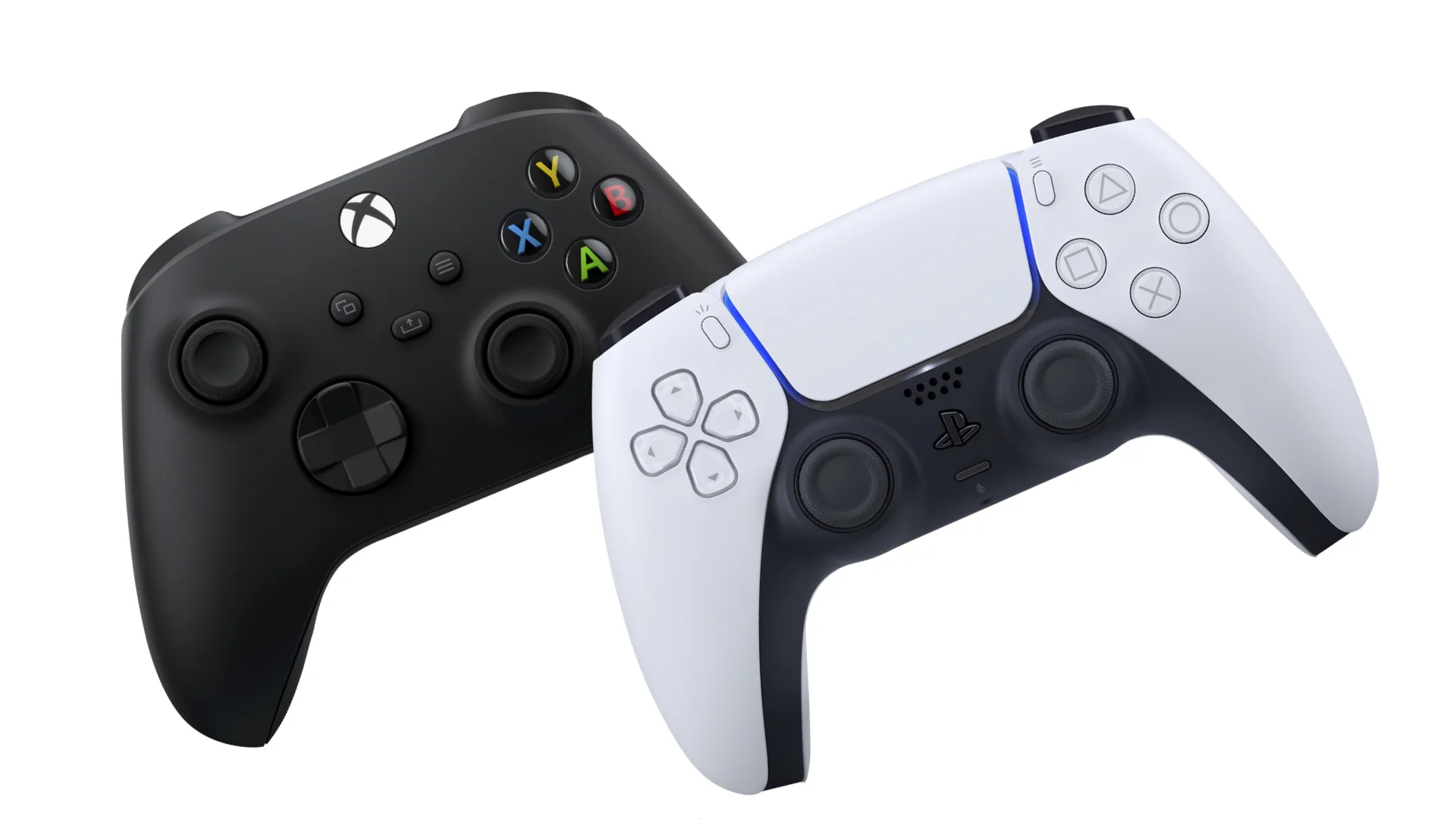
Memory costs are turning the next console generation into a pricing problem before either Sony or Microsoft has formally laid out its plans. Reports put Xbox’s Project Helix as high as $1,800, while separate claims suggest the PS6 could also cost around $1,000 or more. Those figures remain projections, but they point to a difficult question for both companies: how much will players pay for new hardware when current consoles are already struggling to sustain sales?
Helix’s reported price range resets expectations
A Fortune profile of Xbox CEO Asha Sharma described a possible hardware schedule that puts a next-generation handheld in the Holiday 2027 window and the next Xbox console in 2028. The timing stands out because earlier rumors had placed both the PS6 and Project Helix closer to Holiday 2027. If the report is accurate, Microsoft could be extending the current console generation to eight years.
The more striking detail is the reported internal cost projection for the new Xbox. The console could cost $1,200 at the low end and as much as $1,800 at the high end. Those are not confirmed retail prices, and the wide spread suggests Microsoft’s estimates remain sensitive to future component costs. Still, even the lower figure would exceed the Xbox Series X’s launch price by a considerable margin.
That makes the older expectation of a $1,000 next-generation console look less like a worst case. For customers, the gap between a premium console and a high-end PC could become harder to justify if console prices climb while games and services also compete for household budgets. Microsoft would need to show what the additional cost buys, and whether the console offers enough value beyond its raw hardware.
Memory costs are driving the uncertainty
The immediate pressure comes from shortages and rising prices across memory and other components. An earlier claim from hardware insider Kepler_L2 put the PS6’s RAM and NAND costs alone at $680. That figure doesn’t represent the full cost of building a console, which also needs a processor, graphics hardware, storage, cooling, a case and other components. But it illustrates how quickly a core part of the bill could consume a large share of the eventual price.
Kepler_L2 has also claimed that the PS6’s bill of materials could be about $200 lower than the projected cost of Magnus, the codename associated with Project Helix. If the two estimates are based on comparable assumptions, that could give Sony more room to price its console below Microsoft’s. The same rumor has circulated around a PS6 price near $1,000; applying a similar gap to Helix’s reported range would still leave a PS6 somewhere around $1,000 to $1,600.
That is a broad range, and the underlying figures are not official. Component prices can shift, and manufacturers may make different choices about specifications, production volumes and how much of the hardware cost they absorb. Sony chief executive Hiroki Totoki has said the company does not want to sell hardware at “significant losses,” which suggests there may be limits to how far it will subsidize a high-cost console.
Microsoft could choose to sell Helix at a loss to make it more competitive, but that would be a business decision, not a certainty. A high retail price could narrow its audience, while a lower price could put pressure on margins. Either route becomes harder to assess before the companies reveal their hardware targets and the prices of memory and other parts closer to launch.
The handheld could arrive first
The reported Holiday 2027 handheld gives Microsoft a possible way to enter its next hardware cycle before the main console. A handheld may cost less to produce than a powerful home system, and the company has recently changed cloud gaming hour limits. Together, those moves could indicate that Xbox wants a stronger position in portable play, where players can use a device for local games and cloud streaming.
That plan appears to have faced internal disagreement. According to the reporting cited in the Fortune profile, Xbox and Windows teams clashed over the operating system, and one Xbox executive reportedly wanted to scrap the project. Xbox is now said to be “largely controlling” the software direction. The account offers a glimpse of the work involved in making a handheld fit Xbox’s priorities, but it doesn’t establish how the device will perform or what it will cost.
Microsoft’s existing Xbox Ally and Ally X also give the company a recent point of comparison. They haven’t set the handheld PC market alight, so a new Xbox device would need a clear reason for buyers to choose it. Its appeal could depend on price, battery life, game access and how well the software connects the portable experience with Xbox consoles and services.
A longer generation raises questions for PlayStation
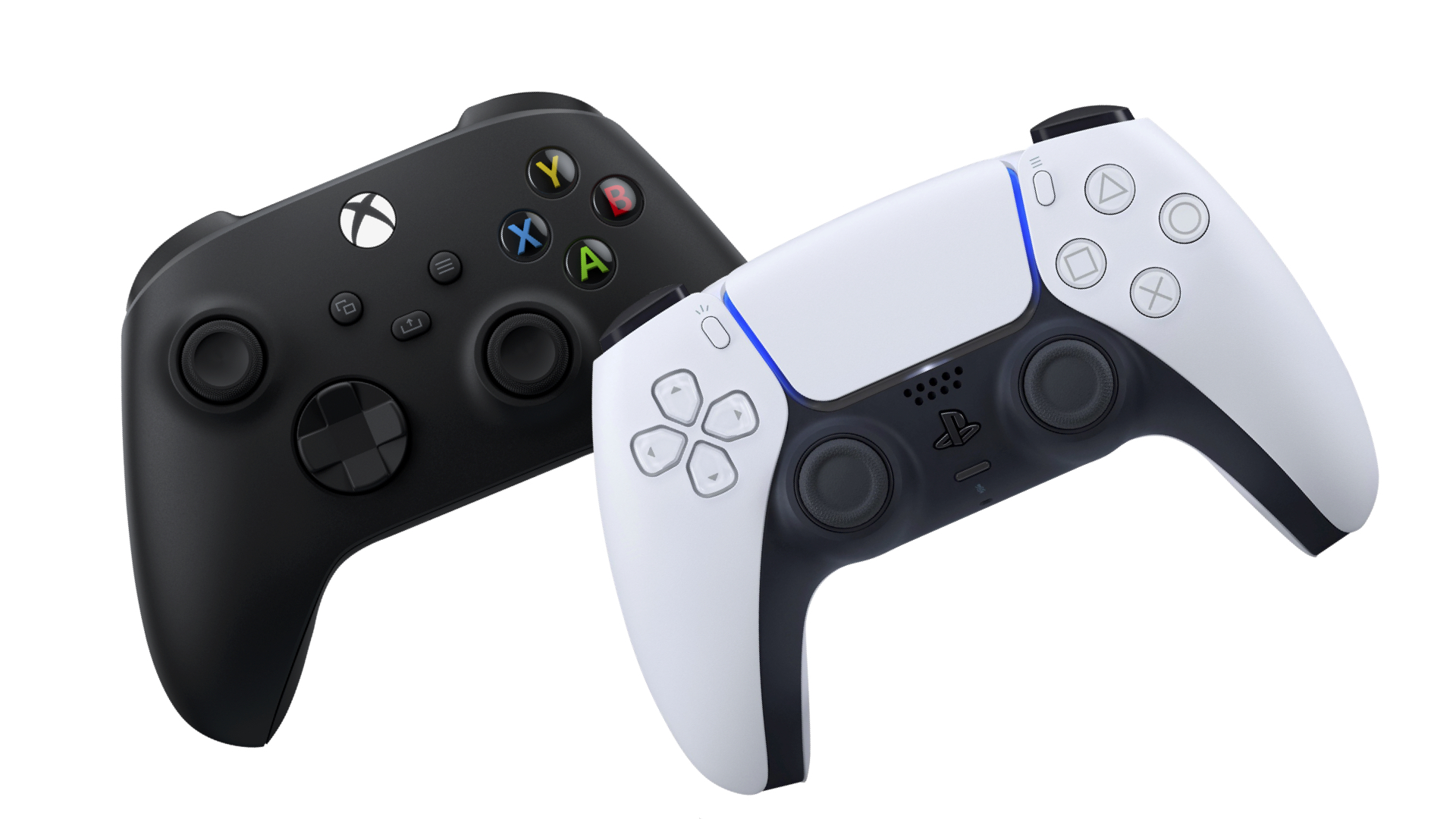
If Helix arrives in 2028, Sony will have to decide whether to keep the rumored PS6 on an earlier schedule or follow Microsoft’s timing. A PlayStation handheld could also arrive before its next home console, though no confirmed launch plans establish that it will. An earlier Sony console launch might give the company a head start, but the value of that lead would depend on availability, price and whether enough players are ready to upgrade.
PlayStation has had the stronger position in this generation, making Microsoft’s path back into the hardware market a difficult one. Yet neither company can assume that its current consoles will carry sales until the next systems arrive. Xbox hardware sales in the United States had reached a reported low for the year as of August. PlayStation, despite nearing 100 million PS5 units shipped, recorded its weakest sales for the same period since 2013.
Those figures make a costly transition especially awkward. Current hardware has already faced price increases, and higher next-generation prices could put new consoles beyond the reach of some of the players who built the market. A major release such as Grand Theft Auto 6 could lift interest in games and consoles, but it’s unclear how long any boost would last or whether it would change the economics of expensive hardware.
Price will shape the next console cycle
The reports don’t settle what PS6 or Project Helix will cost, or even confirm their launch schedules. They do show how much the next generation depends on assumptions that can change before production. A reported $1,200 to $1,800 range for Helix and a PS6 component estimate dominated by memory costs are warnings about the pressure on console pricing, not final prices on store shelves.
For Microsoft, the handheld could provide an earlier, potentially less expensive entry point while it waits to bring a home console to market. For Sony, the question is whether it can offer a meaningfully lower price without taking on losses it has said it wants to avoid. Both companies will need to make a convincing case for why customers should upgrade, especially if the price gap between generations grows sharply.
The next useful signal will be concrete information about specifications, launch timing and how each company plans to price its hardware. Until then, these reports leave the industry with a sobering possibility: the next consoles may arrive later than expected and cost far more than the systems they replace, just as current hardware sales are losing momentum.
Note: The views expressed in this article are those of the author and do not necessarily represent the views of, and should not be attributed to, GamingBolt as an organization.
Discussion
Sign in to join the discussion.